Efficient Mudjacking St. Louis Solutions for Concrete Lifting
The Definitive Guide to Concrete Leveling: Approaches and Benefits for a Seamless Foundation
Concrete leveling represents a critical yet frequently neglected component of property upkeep. Various techniques, such as mudjacking and polyurethane injection, can restore uneven surfaces effectively. Property owners stand to gain considerable advantages, ranging from improved safety to maintained property value. Yet, identifying when leveling is needed and choosing the right technique can prove difficult. Understanding the intricacies of these processes may reveal more than just cosmetic improvements; it could safeguard a home's structural integrity for years to come.
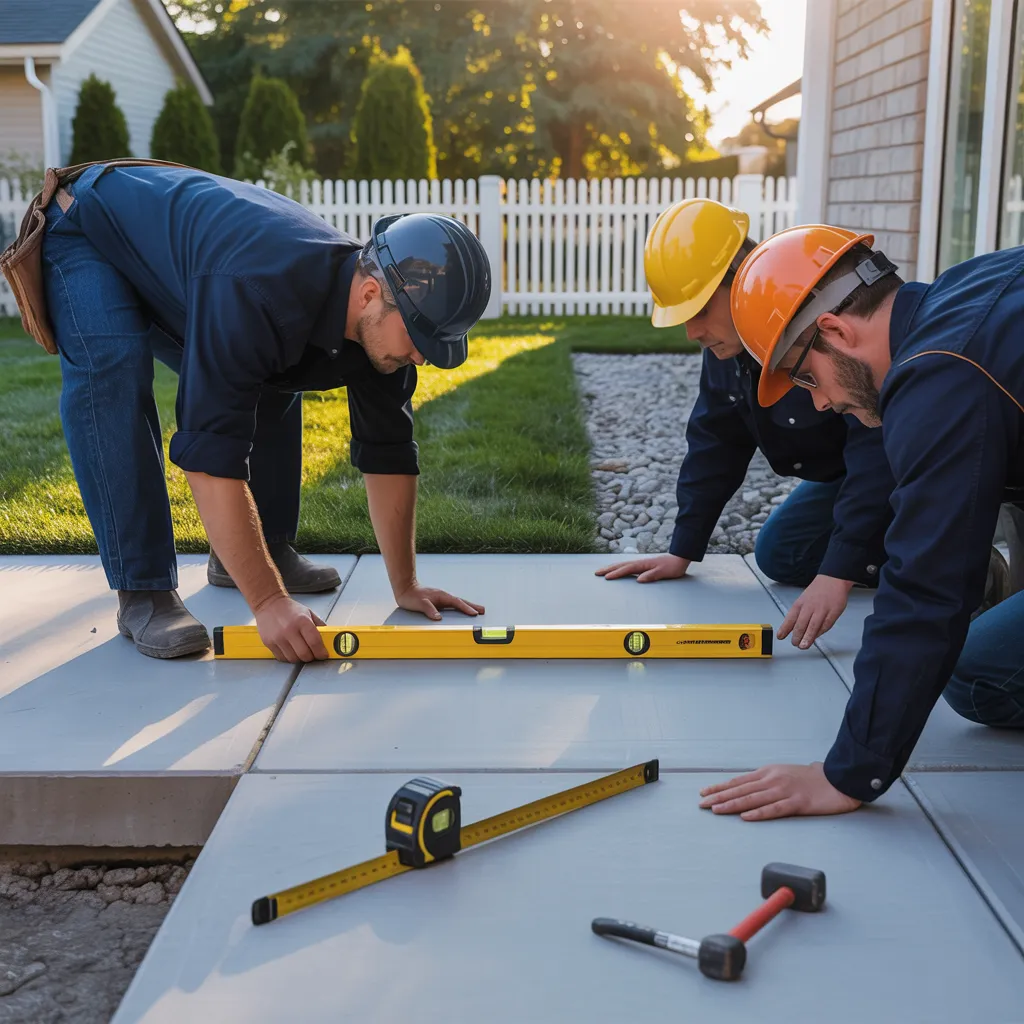
Important Things to Know About Concrete Leveling
Concrete leveling is a critical procedure for preserving the quality and appearance of residential and commercial surfaces. As time passes, elements such as soil shifting, changing weather patterns, and excessive weight can result in uneven concrete slabs. This not only compromises the structural stability but can also lead to safety hazards, such as tripping and water pooling. Recognizing the significance of concrete leveling is essential for property owners, as it aids in maintaining the value and usability of their assets.
Additionally, overlooking uneven surfaces can result in costly repairs and risk of damage to adjacent structures. Routine assessments and timely action can reduce these risks. Homeowners and business owners should familiarize themselves with the signs of uneven concrete, including gaps, cracks, and irregular drainage patterns. At the end of the day, acknowledging the need for concrete leveling can result in well-informed decisions, promoting long-term safety and durability for residential and commercial properties alike.
Leading Approaches for Effectively Leveling Concrete
For those pursuing optimal concrete leveling results, a number of notable methods rise to the top. Mudjacking provides a time-tested traditional approach, while polyurethane foam injection offers contemporary benefits. Additionally, utilizing self-leveling compounds offers a flexible and adaptable option for attaining a level and even surface.
Understanding the Mudjacking Process
Repairing sunken or uneven concrete surfaces frequently relies on the mudjacking process, a proven and efficient technique for leveling. This method entails drilling small holes into the affected concrete slab and injecting a mixture of water, soil, and cement beneath it. As the material is pumped in, it fills voids and raises the slab to its original position. Mudjacking is valued for its economical nature and swiftness, permitting fast repairs with minimal interference. It is most advantageous for patios, driveways, and sidewalks, where irregular surfaces can present safety concerns. By reestablishing structural integrity and enhancing appearance, mudjacking not only improves the performance of concrete surfaces but also extends their longevity, making it a sought-after option among homeowners and contractors alike.
Advantages of Polyurethane Injection
Polyurethane injection emerges as a contemporary method for correcting unlevel concrete areas, providing significant benefits compared to older approaches including mudjacking. This technique involves injecting a light polyurethane foam material below the concrete, which grows to fill empty spaces, effectively lifting the slab. A key advantage is its quick curing time, often allowing for use within hours, reducing downtime. Furthermore, polyurethane foam offers strong water resistance, lowering the chances of subsequent settling. The injection process is also less invasive, necessitating minimal drilling holes and resulting in minimal harm to nearby areas. Additionally, the lightweight composition of polyurethane avoids placing extra pressure on the underlying soil, providing lasting solutions for multiple types of concrete surfaces. Ultimately, polyurethane injection offers a practical, long-lasting, and effective approach to concrete leveling.
Self-Leveling Compound Installation
Attaining a flat, even surface with a self-leveling compound requires careful preparation and application techniques. First, the existing concrete surface must be cleaned thoroughly to eliminate debris, dust, and grease. After confirming the surface is dry, any cracks should be sealed and primed to promote better adhesion. Blending the self-leveling compound according to the manufacturer's guidelines is important; correct consistency ensures proper flow. Pouring the compound in a consistent manner and using a gauge rake can help spread it uniformly. It is crucial to work quickly, as self-leveling compounds set rapidly. In conclusion, allowing the compound to cure fully before applying any flooring material provides a sturdy and perfect foundation.
Benefits of Concrete Leveling for Homeowners
Concrete leveling provides homeowners with an effective solution for correcting uneven surfaces that may undermine safety and visual appeal. One significant benefit is the boost to property value; an even surface supports a more attractive home exterior and practical outdoor areas. Furthermore, it minimizes the likelihood of accidents resulting from tripping hazards, fostering a more secure environment for homeowners and guests.
Furthermore, concrete leveling is generally a cost-effective solution to replacing the entire slab, allowing homeowners to save time and money. The method can be done relatively quickly, reducing interruption to everyday routines. It also helps prevent more damage to the home by correcting foundational problems, such as water infiltration and structural weakness. By making sure surfaces remain level, homeowners can also extend the lifespan of their walkways, driveways, and patios. Ultimately, concrete leveling offers a straightforward means to enhance aesthetics, safety, and property value.
How to Determine When Concrete Leveling Is Needed
Irregular concrete surfaces can present themselves in multiple forms, signaling the need for leveling. Homeowners may notice cracks, gaps, or heaving in driveways, sidewalks, or patios. Water pooling in specific areas, rather than draining away, is another indicator of an underlying issue. Furthermore, raised concrete slabs can create dangerous trip hazards, presenting safety concerns for both residents and visitors.
In basement or garage areas, uneven flooring can cause issues with installed fixtures or appliances, affecting their functionality. Looking for noticeable signs, such as sloped surfaces or separation between slabs, is essential. Furthermore, doors and windows may stick or fail to close properly because of foundation movement.
Periodic inspections of interior and exterior concrete can assist in identifying these warning signs early. Resolving these concerns in a timely fashion ensures enduring structural soundness and strengthens the complete safety and aesthetic appeal of the structure.
Choosing the Right Leveling Method for Your Needs
Determining the right concrete leveling method requires an understanding of the different options at hand. Aspects such as the extent of the damage, the type of surface, and budget constraints play an essential role in this selection. By assessing these elements, homeowners can pinpoint the most suitable approach for their individual requirements.
Types Of Leveling Methods
When choosing a leveling method, it is important to consider the unique demands of the job, as numerous approaches offer specific strengths and weaknesses. Popular techniques include mudjacking, where a concrete slurry is pumped under slabs to raise them, and expanding foam injection, which offers a lightweight, fast-setting alternative. Additionally, grinding involves removing high spots to create a level surface, while screeding is employed on fresh concrete to achieve a uniform finish. All methods differ in pricing, efficiency, and appropriateness for specific surface concerns. Ultimately, choosing the ideal leveling approach depends on factors like the extent of the problem, environmental conditions, and the desired longevity of the repair, securing ideal results for any concrete leveling project.
Factors To Consider
Selecting the right leveling approach necessitates a careful analysis of several key elements that impact the success of the correction. First, the severity of the deterioration is vital; minor settling may call for only superficial solutions, while severe shifts may require more comprehensive approaches. Second, soil conditions are a major factor; shifting or unstable ground can affect the preferred approach. Third, cost considerations must be considered, as alternative approaches vary in cost and longevity. Additionally, the intended use of the area should guide the decision, as substantial weight may call for stronger solutions. Lastly, the local climate conditions can affect the selection and longevity of materials, making it important to examine area-specific elements before beginning the work.
What to Do After Leveling Your Concrete Surface
Following the leveling of a concrete surface, the following steps are critical for guaranteeing long-lasting durability and visual appeal. The first priority is to provide proper curing time. In most cases, this duration extends from 24 hours to a few days, according to the leveling compound that was utilized. Throughout this period, maintaining moisture on the surface helps avoid cracking and improves strength.
After curing, it is recommended to seal the surface to prevent damage from wear, moisture, and stains. A superior concrete sealer can extend the lifespan of the surface. Moreover, applying a finish, such as an epoxy coating or paint, can improve the appearance and performance of the concrete.
Regular maintenance, including cleaning and inspections, is critical to identify and address any potential issues early. Finally, avoiding heavy traffic اقرأ هذا المقال on the newly leveled surface for a week or more can help maintain its integrity, ensuring that the results of the leveling process remain effective for years to come.
Commonly Asked Questions
What Is the Typical Duration of Concrete Leveling?
Concrete leveling generally requires a few hours to a day, influenced by the scope of the area and the approach chosen. Weather conditions and curing time can also influence the total time required to complete the project.
Is Concrete Leveling Something You Can DIY?
Leveling concrete can serve as a DIY undertaking, but it requires careful planning and proper tools. Homeowners who are experienced in home renovation may handle the task with success, while beginners could find value in seeking professional help to achieve the highest quality results.
What Are the Expenses Involved in Concrete Leveling?
Costs for concrete leveling typically range from $2 to $10 per square foot, depending on factors like the extent of the damage, materials utilized, and local labor rates. Extra costs can result from preliminary work or rental equipment costs.
Is It Safe to Walk on Leveled Concrete Right Away?
Walking on freshly leveled concrete right away is typically not advised. It usually demands a hardening period, allowing the material to set properly. This guarantees durability and prevents damage, with durations changing based on the particular leveling technique applied.
What Materials Are Used in Concrete Leveling?
The concrete leveling process generally utilizes supplies such as polymer-enhanced cement, self-leveling formulas, and additives to strengthen adhesion. Implements including floats and trowels may also be used to ensure a level, uniform surface during the process.